
Avoiding Common Mistakes in Forestry: Highlights from the Georgia Forestry Forum Podcast
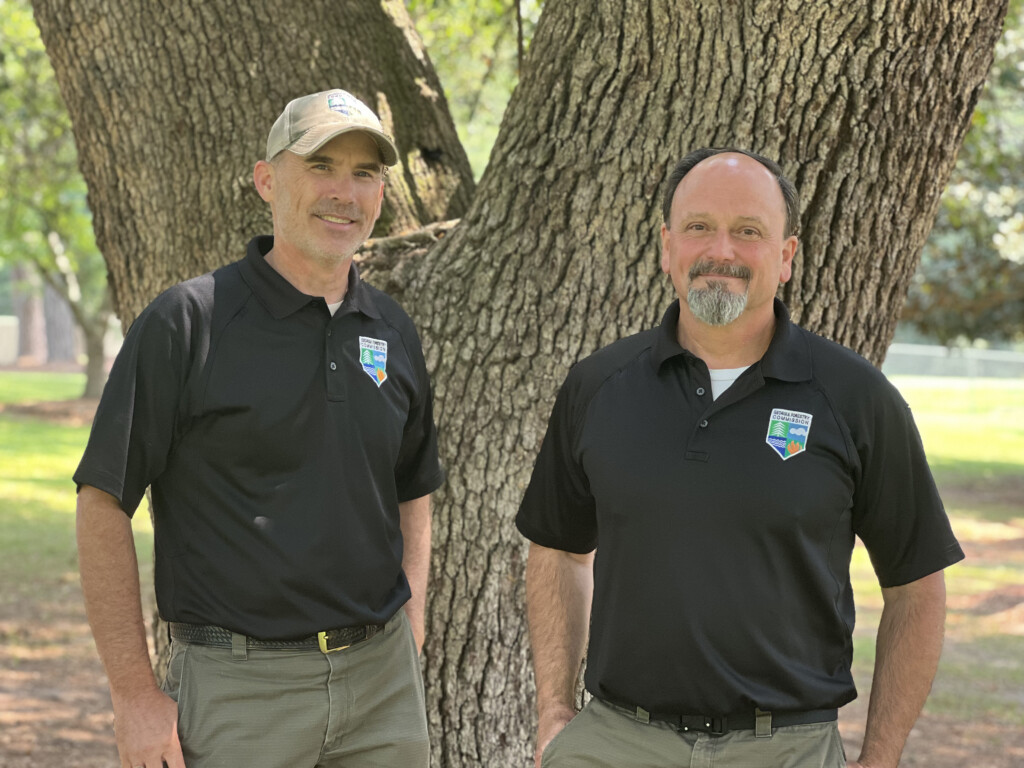
The practice of forestry can be a complex undertaking, as landowners face numerous decisions regarding land management. Whether you’re dealing with 20 acres or 2,000, having a solid understanding of forest management is crucial. In this post, we’ll explore some of the most common pitfalls landowners encounter and share insights from seasoned forestry experts: Georgia Forestry Commission Forest Management Chief Troy Clymer, and Management Forester Jeff Kastle.
Planning is Paramount
One of the primary takeaways from our discussion with Jeff and Troy is the importance of developing a thorough forest management plan. Troy emphasizes, “A forest management plan helps you come up with your vision and develop your objectives. Without knowing your objectives, you really can’t do anything else.”
Having a plan in place not only helps landowners understand what they have on their property but also provides a roadmap to achieve their long-term goals. Jeff advises, “It’s crucial to have a written plan. It helps you track progress and ensures that everyone involved understands the goals.”
Forestry challenges can vary significantly based on geographic location. As Jeff notes, “Foresters in South Georgia deal primarily with cost share programs, whereas in North Georgia, it’s more about providing general advice, such as harvesting and water quality.”
These regional differences highlight the importance of understanding local forestry issues. Troy points out, “We see a lot of fragmentation in areas like Athens, where large tracts have been broken down into smaller, more challenging properties.” Having local knowledge can be instrumental in navigating these unique challenges.
Right Trees Right Places and Dealing with Dilemmas
Selecting the appropriate tree species for your property is a critical decision that can impact forest health and growth cycles. Jeff explains, “Plant the right tree in the right place. Longleaf pine doesn’t grow everywhere, and choosing the wrong species can lead to issues like ice damage.”
Troy adds, “Site index and soil types are essential to consider. Having a forester who understands these factors ensures that you’re making the right choices for your land.”
Invasive species pose a significant threat to forest health. Jeff warns, “Without controlling invasive species like privet, you can end up with a ‘privet jungle,’ preventing hardwood regeneration.”
Troy recounts the critical need for prompt action: “One landowner ignored our recommendations to eradicate invasive species, and years later, the site was beyond recovery.” Early intervention and consistent monitoring are key to managing these threats.
The Role of Prescribed Burning
Prescribed burning is an integral tool in forest management, yet some landowners remain hesitant. Troy underscores its importance: “Prescribed fire mitigates fuel loads, enhancing wildlife habitat and controlling forest diseases.”
Jeff acknowledges that smoke concerns are valid but insists, “If you stop using smoke as a tool, you’ll lose it. It’s better to tell your neighbors and plan for these burns, as they’re crucial for long-term forest health.”
Building a Relationship with Foresters
Troy advises landowners to connect with forestry professionals to reap the full benefits of expert guidance. “Whether you work with a GFC forester or a private consultant, having expert advice is invaluable when developing your property plans,” he explains.
Navigating the complexities of forestry requires careful planning and informed decision-making. By avoiding common mistakes and adhering to best practices, landowners can ensure the long-term health and productivity of their forests. Jeff and Troy’s insights underscore the value of professional guidance in managing forested lands effectively and sustainably.
Legal Disclaimer:
EIN Presswire provides this news content "as is" without warranty of any kind. We do not accept any responsibility or liability for the accuracy, content, images, videos, licenses, completeness, legality, or reliability of the information contained in this article. If you have any complaints or copyright issues related to this article, kindly contact the author above.
